Discover Alamo, California
Alamo is an attractive residential community in Contra Costa County, in the East Bay region of the San Francisco Bay Area. Located between Walnut Creek and Danville, Alamo is known for its spacious properties, tree-lined streets, rolling hills and semi-rural atmosphere. It appeals to homebuyers seeking a quieter lifestyle while remaining within convenient reach of major employment centres, shopping, dining and regional transportation.
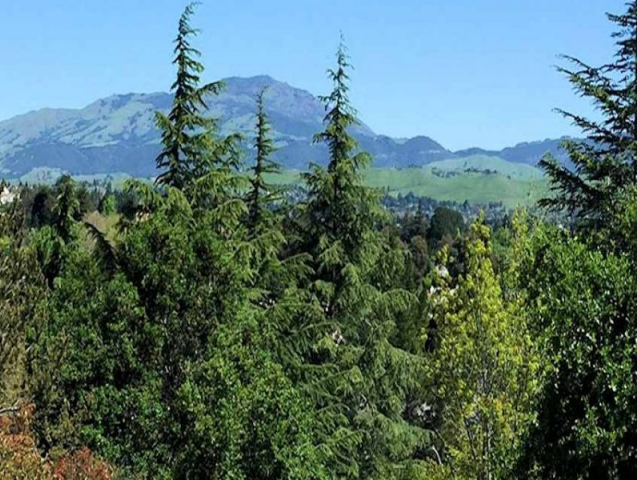
Set near the western foothills of Mount Diablo, Alamo combines established residential neighbourhoods with larger estates, landscaped gardens and open countryside. Unlike neighbouring Walnut Creek and Danville, Alamo is an unincorporated community rather than an incorporated city or town. Local government services and land-use planning are administered through Contra Costa County, with community input provided by the Alamo Municipal Advisory Council.
History and Community Character
Alamo’s history is closely connected to the ranches, orchards and agricultural properties that characterised the San Ramon Valley during the 19th century. Early settlers cultivated the fertile land, and the community retained its rural character well into the 20th century. Following the Second World War, improved roads and regional freeway construction encouraged residential development, gradually transforming the area into an established suburban community.
Despite this growth, Alamo has retained much of its spacious character. Large lots, mature trees and predominantly detached homes remain defining features. The community places considerable value on preserving its residential setting, maintaining attractive streetscapes and protecting the surrounding hillsides. These characteristics contribute to Alamo’s reputation as one of the East Bay’s more established residential destinations.
Shopping, Dining and Transportation
Alamo Plaza and Stone Valley Center
Alamo’s commercial activity is concentrated primarily along Danville Boulevard, particularly near Stone Valley Road. Alamo Plaza provides everyday shopping, grocery facilities, cafés, restaurants and essential services. Stone Valley Center offers additional retail and professional services close to Interstate 680. Together, these centres serve the community’s day-to-day needs without the scale or congestion of a major shopping district.
For a broader selection of restaurants, entertainment and specialist retailers, residents can travel north to downtown Walnut Creek or south to downtown Danville. Both destinations offer a more extensive range of shopping and dining experiences.
Commuting and Regional Access
Interstate 680 is the principal transportation corridor serving Alamo, providing access to Walnut Creek, Danville, San Ramon and other employment centres in the East Bay and Tri-Valley. State Route 24 and the broader regional road network are also accessible via nearby connections.
Although Alamo does not have its own BART station, residents can reach Walnut Creek or Danville’s nearby transportation connections by car or bus, depending on their destination. Commuters should consider peak-hour traffic and the distance to their preferred transit station when evaluating individual properties.
Principal Neighborhoods of Alamo
Alamo’s residential areas vary in lot size, architectural style, topography and access to amenities. Neighbourhood names are often informal real estate and community designations rather than official administrative boundaries. The following areas provide a useful overview of the principal residential settings.
Central Alamo
Central Alamo surrounds the commercial area near Danville Boulevard and Stone Valley Road. It offers convenient access to local shops, restaurants, grocery stores and services. Residential streets include established single-family homes, while some properties closer to the main thoroughfares feature townhomes, condominiums or other multifamily housing.
This area can suit buyers who want the convenience of nearby amenities while retaining Alamo’s generally residential atmosphere. Properties vary considerably in age, size and style, making individual street locations an important consideration.
Westside Alamo and Livorna Road
The western and southwestern portions of Alamo include established residential neighbourhoods extending towards Livorna Road and the foothills of Las Trampas. Homes range from traditional ranch-style properties to updated residences on generous lots. Mature landscaping and access to open space contribute to the area’s appeal.
Livorna Park is a popular neighbourhood amenity, offering recreational facilities, sports courts, picnic areas and community events. Nearby trail access also appeals to residents who enjoy walking, running and outdoor recreation. The area provides a balance between residential privacy and access to everyday services.
Stone Valley Road and the Eastern Foothills
East of Danville Boulevard, Stone Valley Road leads towards the foothills of Mount Diablo. Residential properties in this area include established homes, larger custom-built residences and properties on more substantial parcels. The landscape becomes increasingly rural and scenic farther from the commercial centre.
Buyers are often attracted by the combination of privacy, hillside scenery and proximity to outdoor recreation. However, properties on sloping terrain may require additional consideration of access, drainage, landscaping and wildfire exposure.
Round Hill Country Club
Round Hill Country Club is one of Alamo’s best-known residential enclaves. Developed around a private country club established in the 1960s, the community features attractive homes and landscaped grounds in a setting of rolling hills. The club’s recreational amenities include golf, tennis and swimming, alongside social facilities.
Homes in the surrounding area vary in architectural style, size and setting, with some offering golf-course views or larger lots. Membership arrangements and associated costs should be confirmed directly with the club. Buyers should also review any applicable homeowners association requirements and property-specific restrictions.
Alamo Creek and the Iron Horse Trail Corridor
Residential areas near the Iron Horse Regional Trail offer access to one of the East Bay’s important shared-use recreational routes. The paved trail is popular with walkers, cyclists and runners, connecting communities across Contra Costa and Alameda counties.
Housing near the corridor includes established single-family neighbourhoods and selected residential developments. The location can be particularly appealing to people who value outdoor activity and convenient connections to nearby communities. Access points and the distance from a particular property to the trail vary by street.
Green Valley and the Rural Eastern Areas
Green Valley and the eastern edges of the Alamo community include properties with a more rural character. Larger parcels, custom homes, landscaped grounds and open views are characteristic of parts of this area. Some properties offer a greater sense of separation from neighbouring homes than is typical in conventional suburban subdivisions.
The nearby Mount Diablo State Park provides opportunities for hiking, nature appreciation and scenic drives. Buyers considering properties near the hills should investigate fire protection requirements, insurance availability, access roads and maintenance responsibilities, as these factors can differ from those affecting homes in more central locations.
Parks and Outdoor Recreation
Outdoor living is an important part of Alamo’s appeal. Livorna Park offers neighbourhood recreation facilities, while Hap Magee Ranch Park provides playgrounds, picnic facilities, open lawns and a dog park. Other community facilities include sports fields and smaller neighbourhood parks.
The surrounding regional open spaces offer a broader range of activities. Las Trampas Wilderness Regional Preserve features challenging trails and panoramic views across the East Bay, while Mount Diablo State Park provides extensive hiking opportunities and distinctive natural scenery. The Iron Horse Regional Trail is an accessible option for everyday walking and cycling.
Alamo’s Mediterranean climate, with warm, dry summers and mild, wetter winters, supports an outdoor-oriented lifestyle for much of the year. Summer heat and seasonal fire conditions are important considerations for those using exposed trails or living near undeveloped hillsides.
Schools, Services and Quality of Life
Alamo is served primarily by the San Ramon Valley Unified School District, although school assignments should always be verified for an individual property. The area is popular with households seeking established residential neighbourhoods, access to educational facilities and opportunities for outdoor recreation.
As an unincorporated community, Alamo relies on county and regional agencies for services that an incorporated city might otherwise manage independently. Residents should understand which agencies are responsible for planning, roads, public safety and local facilities when researching a property.
Real estate prices reflect the area’s desirable location, spacious housing and established residential character. Values vary according to lot size, condition, architecture, views, proximity to amenities and other property-specific factors. Prospective buyers should also assess commute times, insurance costs, property taxes and any applicable association fees.
Conclusion
Alamo offers a distinctive East Bay lifestyle centred on spacious homes, established neighbourhoods and access to nature. Central Alamo provides convenience, the Livorna Road area offers parks and recreation, Stone Valley Road leads towards scenic foothills, and Round Hill Country Club provides a country-club residential setting. Green Valley and other eastern areas offer a more rural environment.
For those seeking a quieter residential community between Walnut Creek and Danville, Alamo combines regional accessibility with a strong emphasis on open space and residential character. Understanding the differences between its neighbourhoods can help prospective residents identify the setting that best matches their lifestyle and property requirements.